
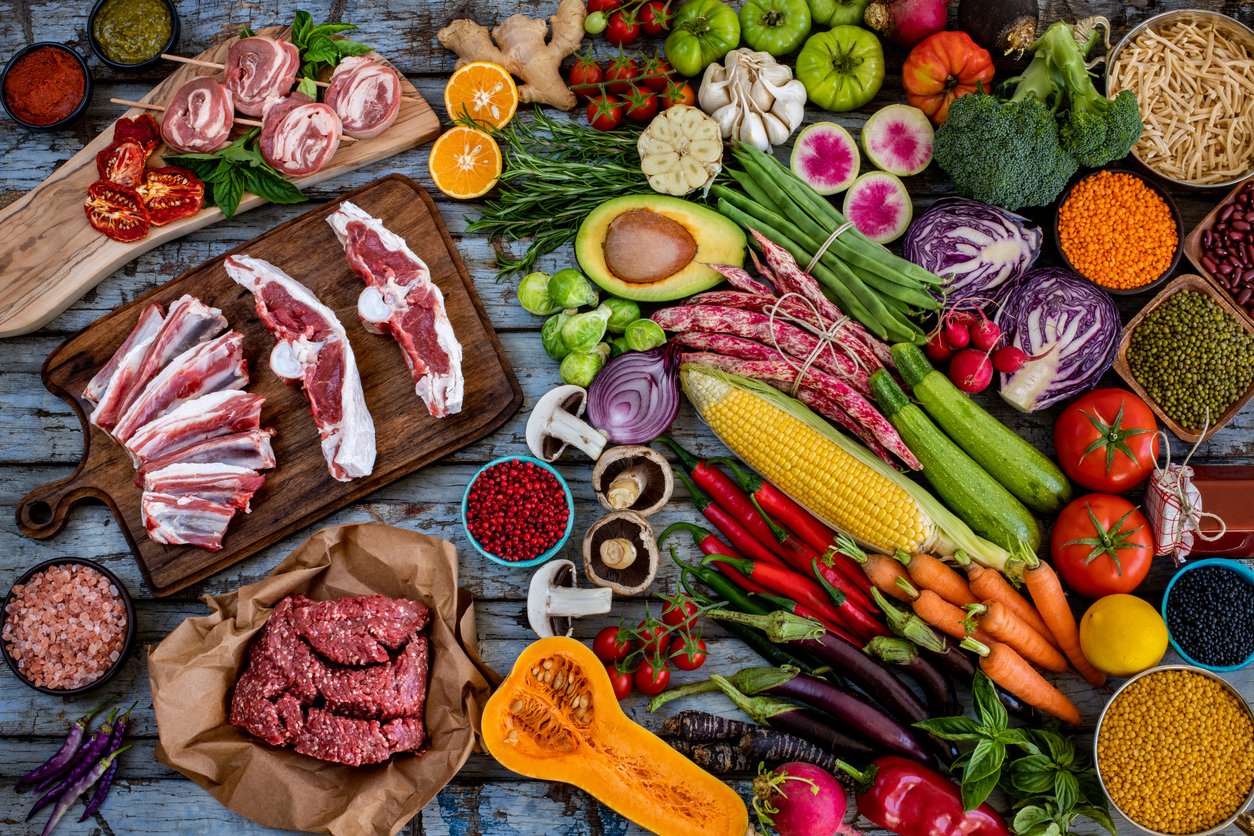
“Let thy food be thy medicine” – this proverb applies to our mental health as well. The benefits of healthy nutrition reach far beyond physical appearance, especially when it comes to our children and their developing minds.
People can struggle with their mental health at any age, but worryingly, children’s mental health problems are shown to be increasing in prevalence. According to the NHS, in the last three years, the likelihood of young people having a mental health problem has increased by 50%, with 1 in 6 children age 5-16 years of age now likely to have a mental health problem.
As stated by the mental health foundation, ‘What we eat and drink affects how we feel, think and behave’ so if children are lacking in certain vital nutrients or compounds from essential food groups, their mood and mental health can suffer greatly, not to mention their physical health too.
A good quality diet is therefore essential for good mental health and should contain a variety of fresh foods in a range of colors. A lot of research has consistently shown the relationship between poor quality diet in children and increased mental health issues. Poor diets are those that are high in processed foods, sugar, chemicals & preservatives, salt, caffeine, saturated fats and lacking in fresh fruit and vegetables.
If diets are poor in the early years of a child’s development, research has shown there is more susceptibility to mental health issues later in life. In fact the mental health outcome of children has even shown to start before birth, because the diet of the mother during pregnancy has also shown to significantly impact the child’s future mental health status.
Good nutrition is essential to healthy brain development in children which is, of course, critical to learning. Children who exercise regularly and eat healthily are likely to:
Establishing healthy eating and exercise habits early in life can lead to long term healthy behavior in adulthood.
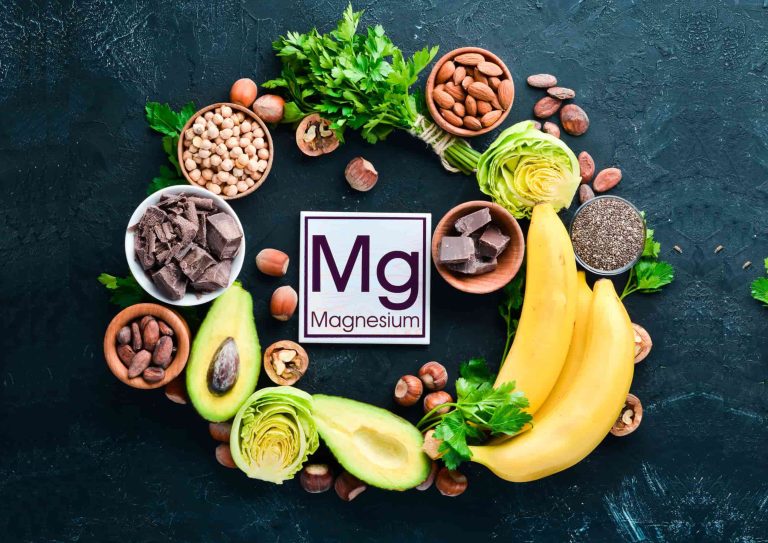
If anxiety, restlessness, low mood / depression and irritability are key features in your child, it may be time to up the magnesium in their diet. Magnesium is a mineral involved in over 300 biochemical activities in the human body, yet it is also one of the most common mineral deficiencies. It’s deficiency in children can show itself in these key features named above, in fact low intake of magnesium in the diet has also been associated with certain behavioral problems in children such as aggression and attention issues. Research has shown that many children with ADHD (Attention Deficit Hyperactivity Disorder) have low magnesium levels. Feelings of panic, fear and generalized anxiety have also been shown to significantly reduce with increased magnesium intake.
Ensuring children have a diet containing foods that are rich in magnesium is therefore vital. Foods that many children will eat that are high in magnesium include, bananas, nuts (including peanut butter), avocado (easily disguised in a sandwich or used as a butter/spread replacement), wholegrain breads and cereals, pulses (easily added to casseroles or soups) and milk. Goats’ milk is an excellent source of magnesium and is also of a form that is better absorbed and utilized by the body compared to magnesium found in cows’ milk.

Before you head to the grocery store, take a few minutes each week to sit down with your family and brainstorm some healthy meals.
Siblings and older kids love a good competition. Make it a game to see who can drink more water or eat more fruits, vegetables and whole foods throughout the day.
According to the American Psychological Association (APA), children who eat healthfully are likely to:
Eating healthy foods as a way of life can also help prevent chronic illnesses that could come later in life, like obesity, diabetes and high blood pressure, while protecting against common childhood illnesses.
As parents and caregivers, you are critical to establishing the necessary and lifelong habits of healthy eating and exercise in children.
Act boldly as a
References