Eating a healthy, balanced diet is an important part of maintaining good health, and can help you feel your best.
This means eating a wide variety of foods in the right proportions, and consuming the right amount of food and drink to achieve and maintain a healthy body weight.
This page covers healthy eating advice for the general population.
People with special dietary needs or a medical condition should ask their doctor or a registered dietitian for advice.
Fruit and vegetables: are you getting your 5 A Day?
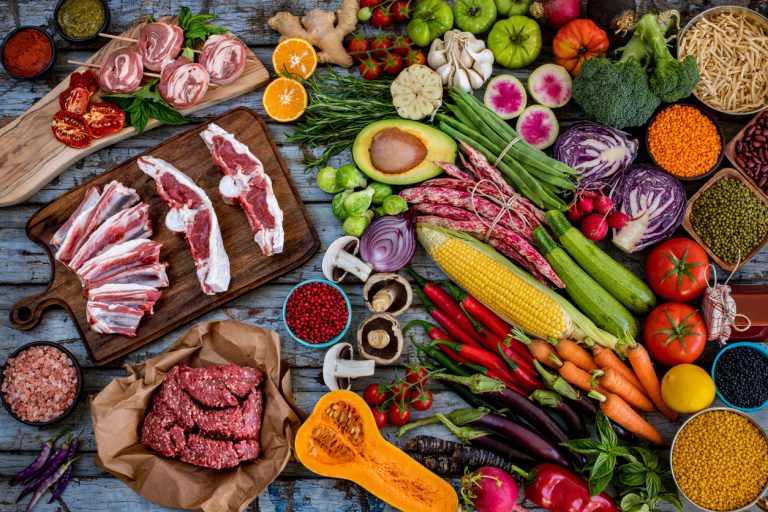
Fruit and vegetables are a good source of vitamins and minerals and fiber, and should make up just over a third of the food you eat each day.It’s recommended that you eat at least 5 portions of a variety of fruit and vegetables every day. They can be fresh, frozen, canned, dried or juiced.
Food Groups in your diet
The Eatwell Guide shows that to have a healthy, balanced diet, people should try to: • Eat at least 5 portions of a variety of fruit and vegetables every day • Base meals on higher fiber starchy foods like potatoes, bread, rice or pasta • Have some dairy or dairy alternatives (such as soya drinks) • Eat some beans, pulses, fish, eggs, meat and other protein • Choose unsaturated oils and spreads, and eat them in small amounts • Drink plenty of fluids (at least 6 to 8 glasses a day)
Starchy foods in your diet
Starchy foods should make up just over a third of everything you eat. This means your meals should be based on these foods. Choose wholegrain or whole meal varieties of starchy foods, such as brown rice, wholewheat pasta, and brown, whole meal or higher fiber white bread. They contain more fiber, and usually more vitamins and minerals, than white varieties.
Potatoes with the skins on are a great source of fiber and vitamins. For example, when having boiled potatoes or a jacket potato, eat the skin too.
Milk and dairy foods
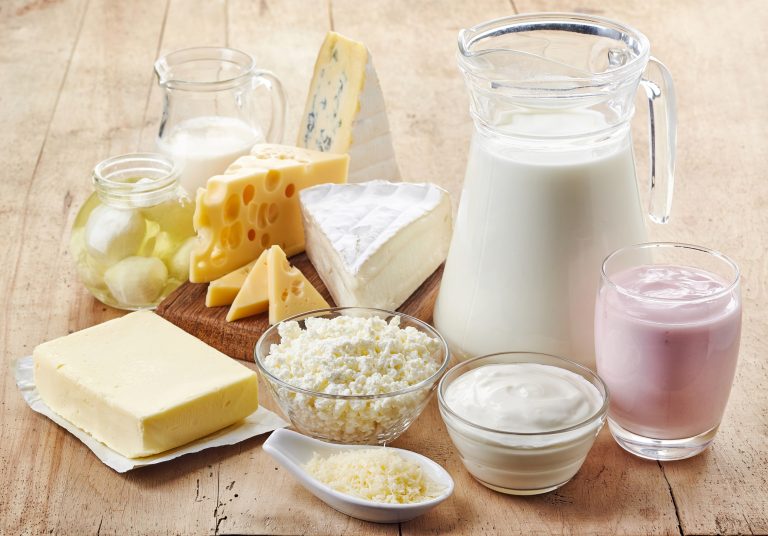
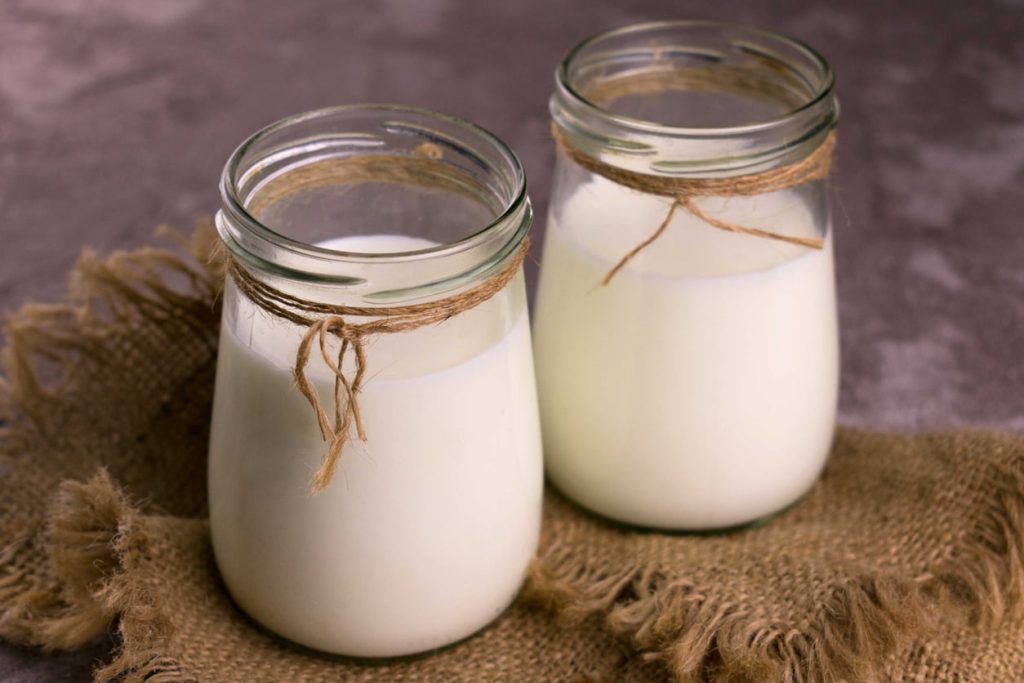
Milk and dairy foods, such as cheese and yoghurt, are good sources of protein. They also contain calcium, which helps keep your bones healthy.Go for lower fat and lower sugar products where possible.Choose semi-skimmed, 1% fat or skimmed milk, as well as lower fat hard cheeses or cottage cheese, and lower fat, lower sugar yoghurt.
Beans, pulses, fish, eggs, meat and other proteins
These foods are all good sources of protein, which is essential for the body to grow and repair itself. They’re also good sources of a range of vitamins and minerals.
Meat is a good source of protein, vitamins and minerals, including iron, zinc and B vitamins. It’s also one of the main sources of vitamin B12.
Eggs and fish are also good sources of protein and contain many vitamins and minerals. Oily fish is particularly rich in omega-3 fatty acids.
Pulses, including beans, peas and lentils, are naturally very low in fat and high in fiber, protein, vitamins and minerals.
Nuts are high in fiber, and unsalted nuts make a good snack. But they do still contain high levels of fat, so eat them in moderation.
Oils and spreads
It’s important to get most of your fat from unsaturated oils and spreads. Swapping to unsaturated fats can help lower cholesterol. Remember that all types of fat are high in energy and should be eaten in small amounts.
Eat less saturated fat, sugar and salt
Too much saturated fat can increase the amount of cholesterol in the blood, which increases your risk of developing heart disease. Regularly consuming foods and drinks high in sugar increases your risk of obesity and tooth decay.
Eating too much salt can raise your blood pressure, which increases your risk of getting heart disease or having a stroke.
References:
How to eat a balanced diet article published by nhs.uk